
Discovery through Partnership | Excellence through Quality

| Product Name | Alpha Synuclein S87N Mutant Pre-formed Fibrils | |||||||||||||||||||||||||||||||||||||||||||||||||||||||||||||||||||||||||||||||||
| Description |
Human Recombinant Alpha Synuclein S87N Mutant PFFs |
|||||||||||||||||||||||||||||||||||||||||||||||||||||||||||||||||||||||||||||||||
| Applications | WB, SDS PAGE, In vitro Assay | |||||||||||||||||||||||||||||||||||||||||||||||||||||||||||||||||||||||||||||||||
| Concentration | 2 mg/ml or 5 mg/ml | |||||||||||||||||||||||||||||||||||||||||||||||||||||||||||||||||||||||||||||||||
| Conjugates |
No tag
StreptavidinProperties:
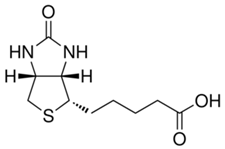
Biotin
|
|||||||||||||||||||||||||||||||||||||||||||||||||||||||||||||||||||||||||||||||||
| Nature | Recombinant | |||||||||||||||||||||||||||||||||||||||||||||||||||||||||||||||||||||||||||||||||
| Species | Human | |||||||||||||||||||||||||||||||||||||||||||||||||||||||||||||||||||||||||||||||||
| Expression System | E. coli | |||||||||||||||||||||||||||||||||||||||||||||||||||||||||||||||||||||||||||||||||
| Amino Acid Sequence | MDVFMKGLSKAKEGVVAAAEKTKQGVAEAAGKTKEGVLYVGSKTKEGVVHGVATVAEKTKEQVTNVGGAVVTGVTAVAQKTVEGAGNIAAATGFVKKDQLGKNEEGAPQEGILEDMPVDPDNEAYEMPSEEGYQDYEPEA | |||||||||||||||||||||||||||||||||||||||||||||||||||||||||||||||||||||||||||||||||
| Purity | >95% | |||||||||||||||||||||||||||||||||||||||||||||||||||||||||||||||||||||||||||||||||
| Other Resources | Sonication Protocol | |||||||||||||||||||||||||||||||||||||||||||||||||||||||||||||||||||||||||||||||||
| Protein Length | 140 AA | |||||||||||||||||||||||||||||||||||||||||||||||||||||||||||||||||||||||||||||||||
| Protein Size | ~14.46 kDa | |||||||||||||||||||||||||||||||||||||||||||||||||||||||||||||||||||||||||||||||||
| Field of Use | Not for use in humans. Not for use in diagnostics or therapeutics. For in vitro research use only. | |||||||||||||||||||||||||||||||||||||||||||||||||||||||||||||||||||||||||||||||||
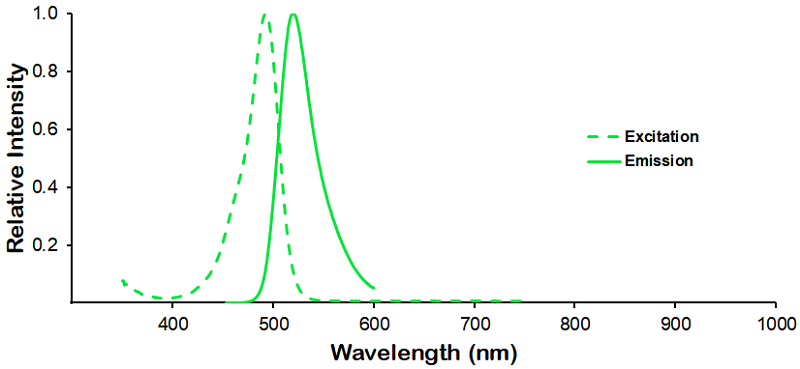
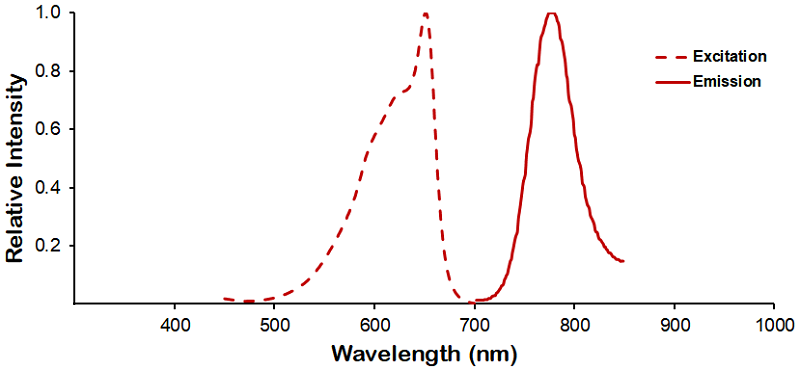
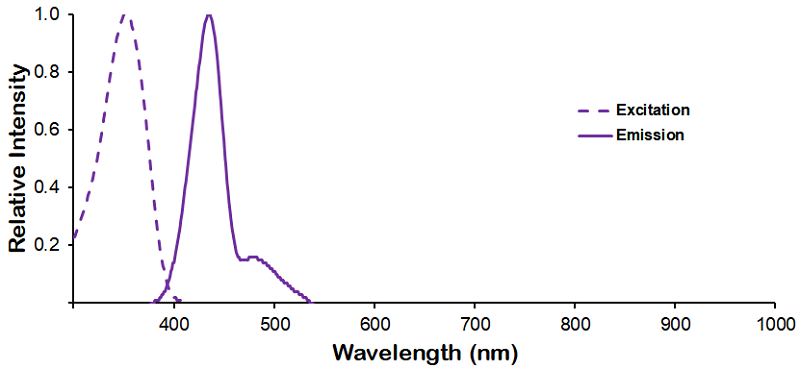
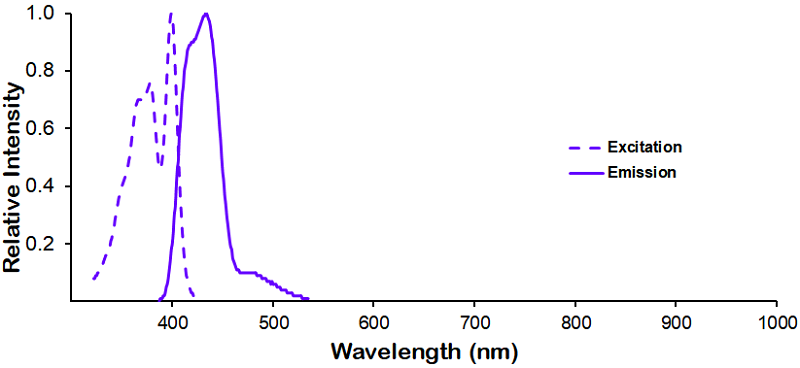
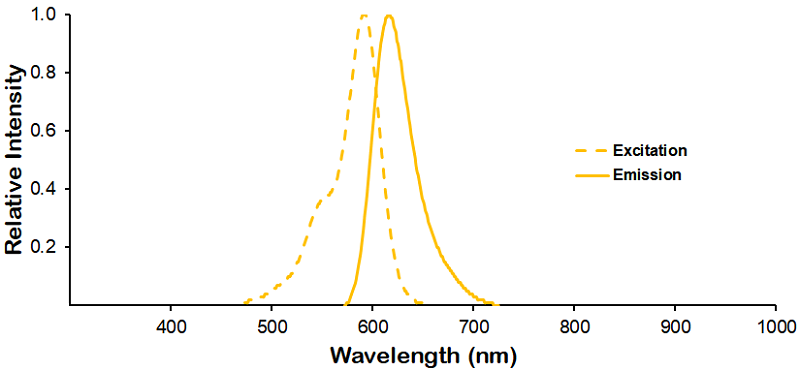
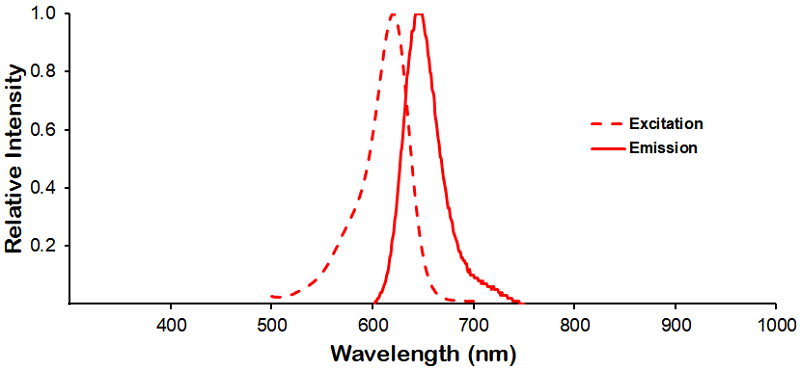
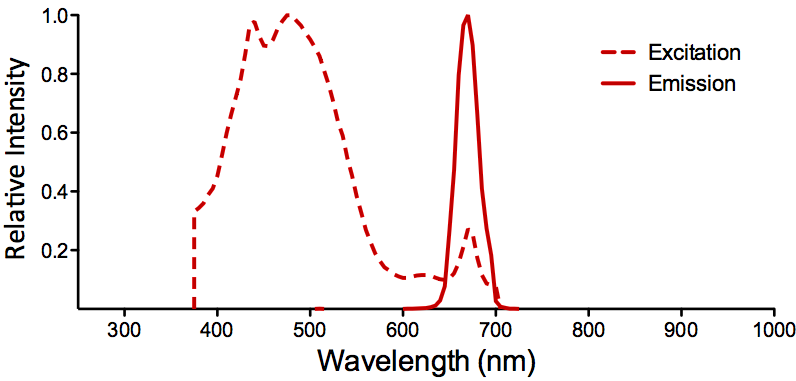
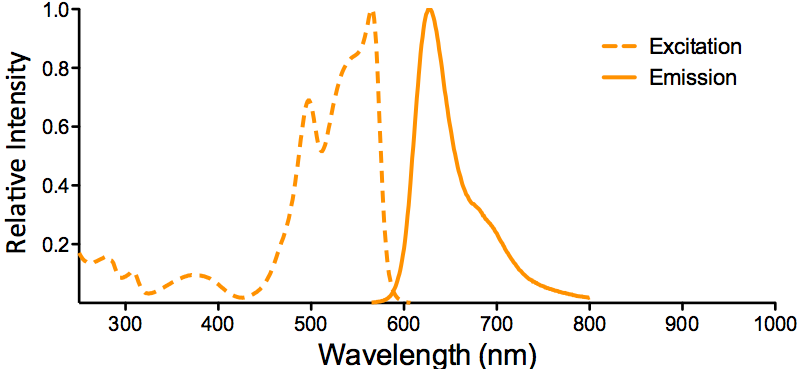
Properties
| Storage Buffer | 1X PBS pH 7.4 |
| Storage Temperature | -80ºC |
| Shipping Temperature | Dry Ice. Shipping note: Product will be shipped separately from other products purchased in the same order. |
| Purification | Ion-exchange Purified |
| Cite This Product | Human Recombinant Alpha Synuclein S87N Mutant Pre-formed Fibrils (StressMarq Biosciences | Victoria, BC CANADA | Catalog# SPR-500) |
| Certificate of Analysis | Protein certified >95% pure on SDS-PAGE & Nanodrop analysis. Low endotoxin <5 EU/mL @ 2mg/mL. |
| Other Relevant Information | For best results, sonicate immediately prior to use. Refer to the Neurodegenerative Protein Handling Instructions on our website, or the product datasheet for further information. Monomer source is catalog# SPR-499. |
Biological Description
| Alternative Names | Alpha Synuclein S87N, Alpha-synuclein, Alpha synuclein, SNCA, synuclein, NACP, Non-A beta component of AD amyloid, Non-A4 component of amyloid precursor, PARK1, SYN, Parkinson's disease familial 1 Protein, Asyn, Alpha Synuclein PFFs |
| Research Areas | Alzheimer's Disease, Neurodegeneration, Neuroscience, Parkinson's Disease, Synuclein, Tangles & Tau, Multiple System Atrophy |
| Accession Number | NP_000336.1 |
| Gene ID | 6622 |
| Swiss Prot | P37840-1 |
| Scientific Background |
Alpha-synuclein (α-synuclein), encoded by the SNCA gene, is a neuronal protein central to synaptic vesicle trafficking and neurotransmitter release. The S87N mutation, located within the non-amyloid-β component (NAC) domain, alters the protein’s aggregation behavior and membrane interactions—key factors in the pathogenesis of synucleinopathies such as Parkinson’s disease and dementia with Lewy bodies. Pre-formed fibrils (PFFs) generated from the S87N mutant exhibit distinct structural and biochemical properties compared to wild-type α-synuclein fibrils. These mutant PFFs demonstrate enhanced seeding capacity and altered propagation dynamics, making them potent inducers of pathological aggregation in cellular and animal models. Upon internalization, S87N PFFs trigger endogenous α-synuclein misfolding, leading to the formation of Lewy body-like inclusions, synaptic dysfunction, and neurodegeneration. The S87N mutant PFFs serve as a powerful tool for modeling early and progressive stages of α-synuclein-driven neurodegeneration. Their use enables precise dissection of molecular mechanisms underlying protein misfolding, prion-like transmission, and neuroinflammatory responses. Furthermore, they provide a robust platform for evaluating therapeutic strategies aimed at inhibiting fibril formation, blocking intercellular spread, and restoring neuronal function. By replicating disease-relevant pathology, Alpha-Synuclein S87N mutant PFFs accelerate translational research and drug discovery efforts targeting the molecular drivers of Parkinson’s disease and related disorders. Human alpha synuclein S87N mutant (HuS87N) has Ser87 mutated to the equivalent mouse residue Asn87, effectively making it a human-mouse chimeric protein. Despite sequence differences at only seven residues, or 5% of the total 140 amino acids, the aggregation rate of wild-type mouse α-syn (MsWT) is faster than wild-type human α-syn (HuWT) in vitro. In wild-type mouse models, MsWT fibrils are more efficient than HuWT fibrils at inducing endogenous mouse α-syn pathology (1). A53T or S87N substitutions in human α-syn substantially accelerate fibrilization rates in vitro (2,3). Chimeric HuS87N fibrils show enhanced induction of α-syn pathology greater than both HuWT and MsWT fibrils in mice neuron cultures (4). Therefore, HuS87N is a good construct for inducing robust endogenous α-syn seeding and pathology in wild-type mice/cultures. |
| References |
1. Masuda-Suzukake et al. 2013. Prion-like Spreading of Pathological α-synuclein in Brain. Brain. https://doi.org/10.1093/brain/awt037 2. Kang, K. et al. 2011. The A53T Mutation is Key in Defining the Differences in the Aggregation Kinetics of Human and Mouse α-synuclein. JACS. https://doi.org/10.1021/ja203979j 3. Ohgita, T. et al. 2023. Intramolecular Interaction Kinetically Regulates Fibril Formation by Human and Mouse Alpha-Synuclein. Sci Rep https://doi.org/10.1038/s41598-023-38070-4 4. Luk, K., C. et al. 2016. Molecular and Biological Compatibility with Host Alpha-Synuclein Influences Fibril Pathogenicity. Cell Rep. https://doi.org/10.1016/j.celrep.2016.08.053 |
Product Images
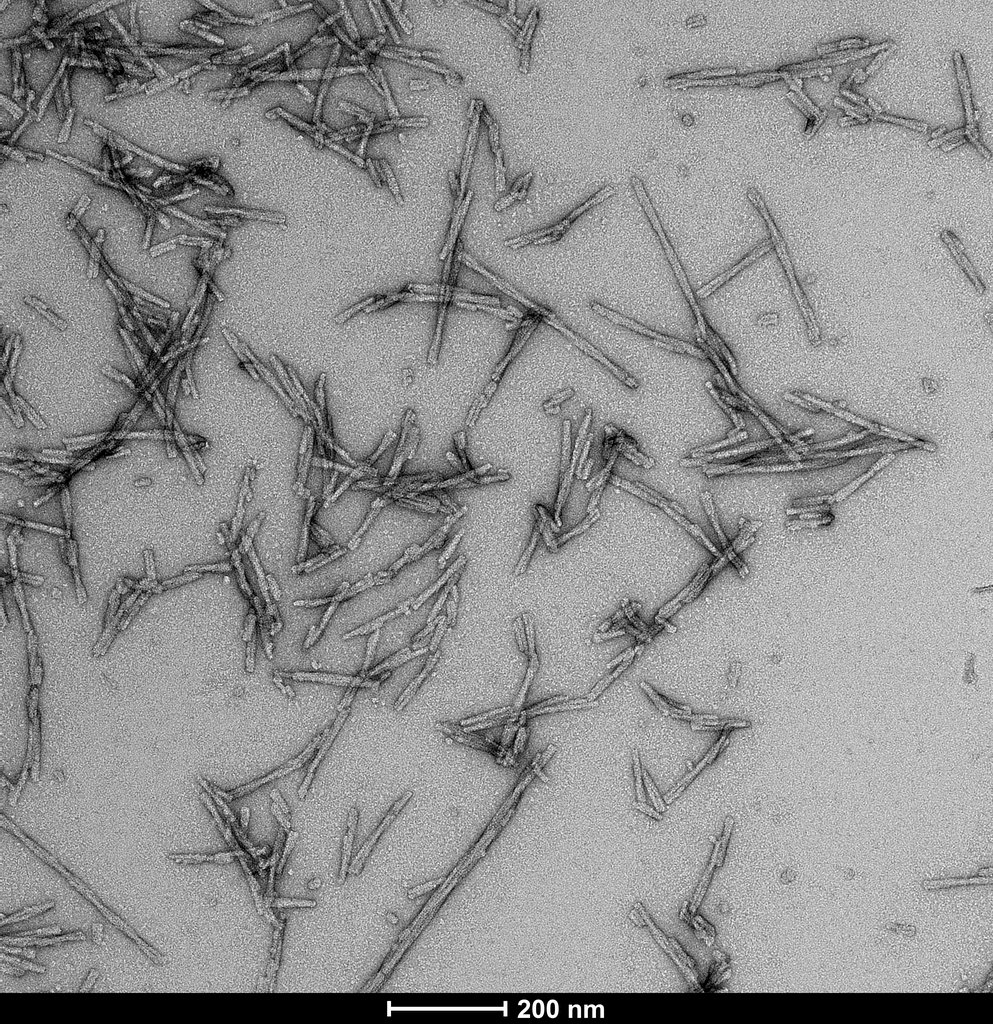
TEM of human alpha synuclein S87N fibrils (SPR-500). Negative stain transmission electron microscopy images acquired at 80 Kv on carbon coated 400 mesh copper grids using phosphotungstic acid and uranyl acetate stain. Scale bar = 200 nm. Method: Samples were prepared for examination in the transmission electron microscope using the ‘direct application method’ (Doane and Anderson 1987).
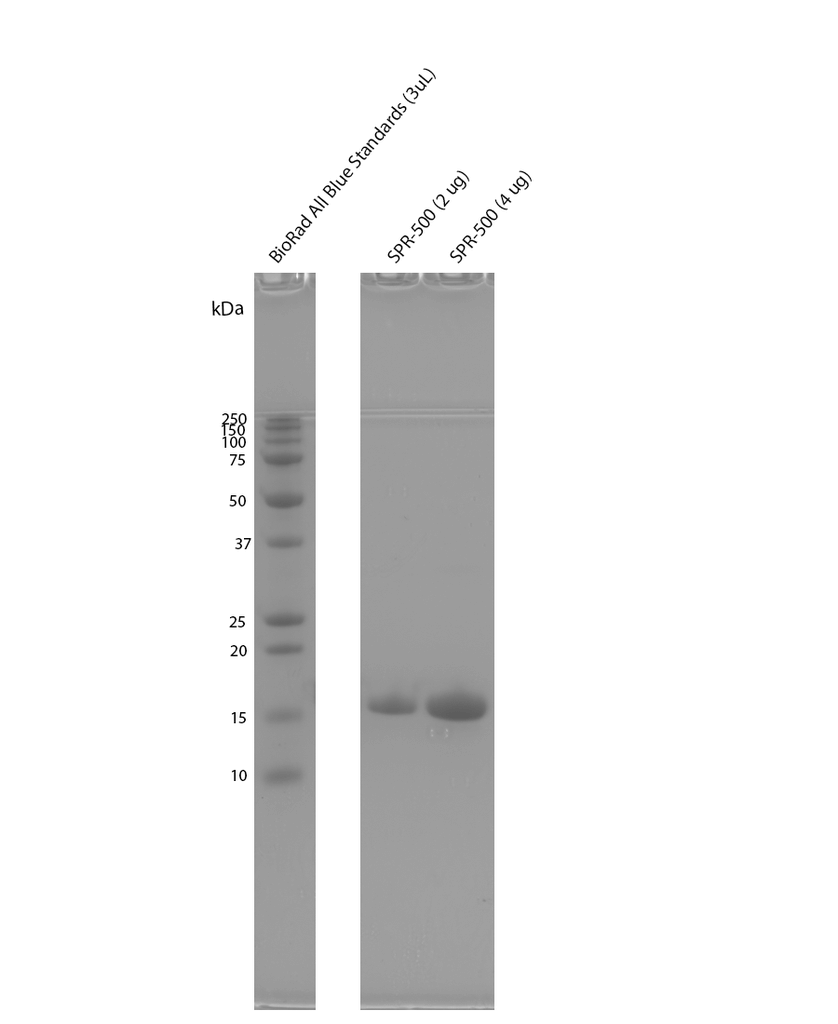
SDS-PAGE of human alpha synuclein S87N fibrils (SPR-500) under reducing conditions showing the protein purity. Lane 1: Biorad All Blue Standards (3uL), Lane 2: human alpha synuclein S87N pre-formed fibrils (2ug), lane 3: human alpha synuclein S87N pre-formed fibrils (4ug).
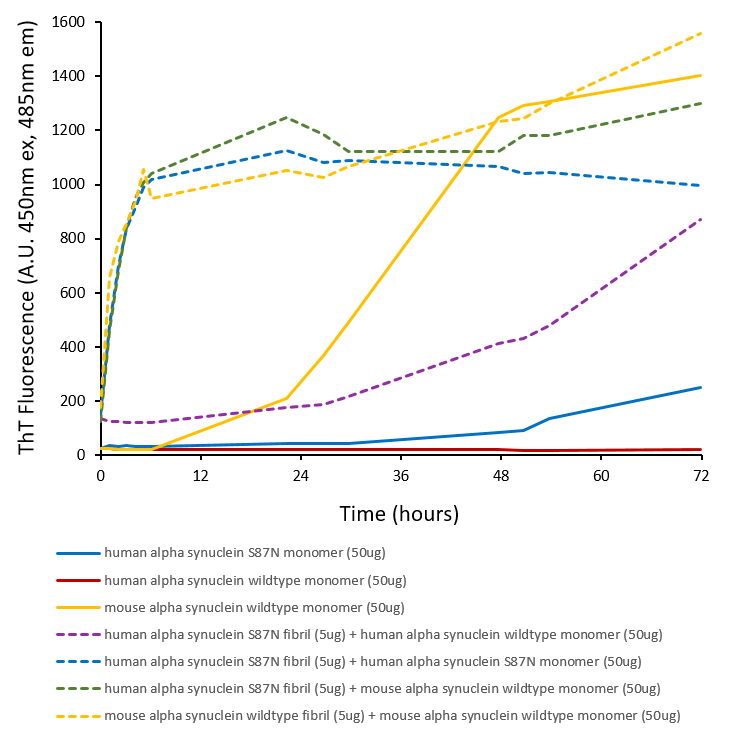
Fibril formation activity of human alpha synuclein S87N mutant monomers (SPR-499) seeded by human alpha synuclein S87N mutant pre-formed fibrils (SPR-500). The graph shows an increase in ThT signal indicating increased beta-sheet content and fibril formation over 72 hours.
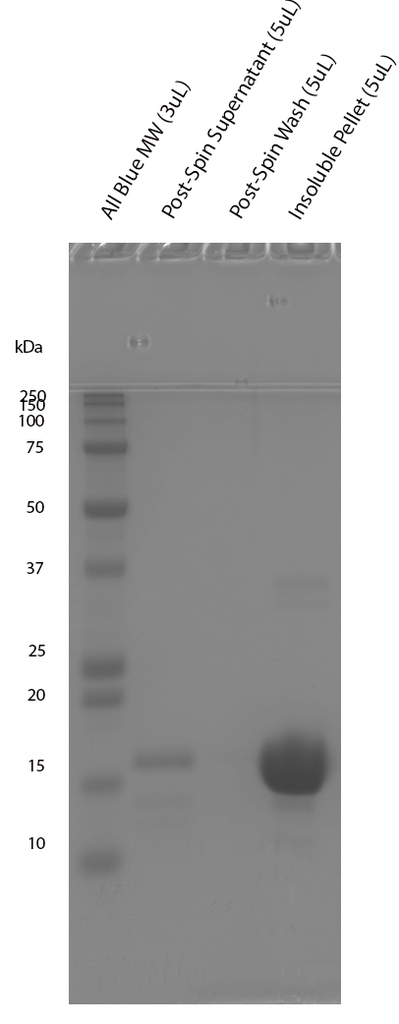
Sedimentation assay of human alpha synuclein S87N fibrils showing >90% of material is insoluble when spun at 20,000 xg. Lane 1: Biorad All Blue Standards (3uL), Lanes 2-4: human alpha synuclein S87N pre-formed fibrils (10ug) supernatant, wash and pellet.
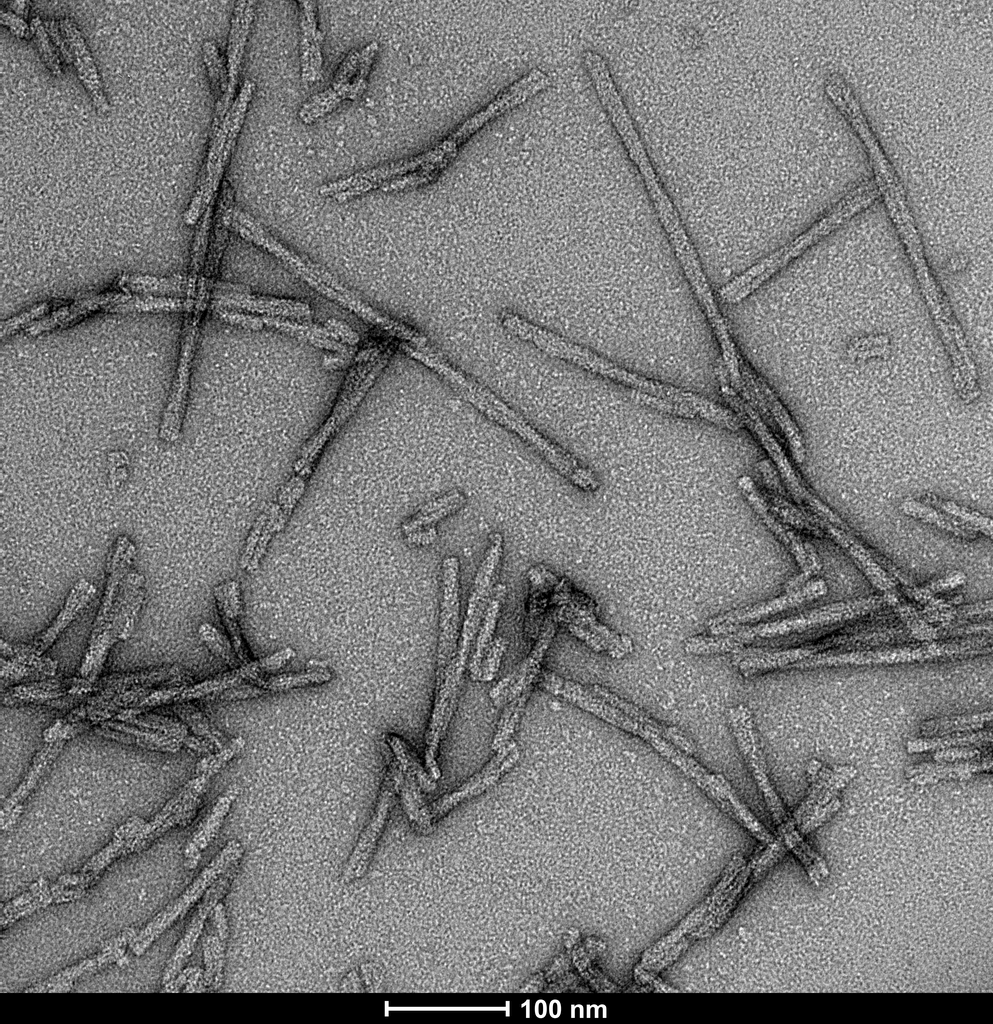
TEM of human alpha synuclein S87N fibrils (SPR-500). Negative stain transmission electron microscopy images acquired at 80 Kv on carbon coated 400 mesh copper grids using phosphotungstic acid and uranyl acetate stain. Scale bar = 100 nm. Method: Samples were prepared for examination in the transmission electron microscope using the ‘direct application method’ (Doane and Anderson 1987).
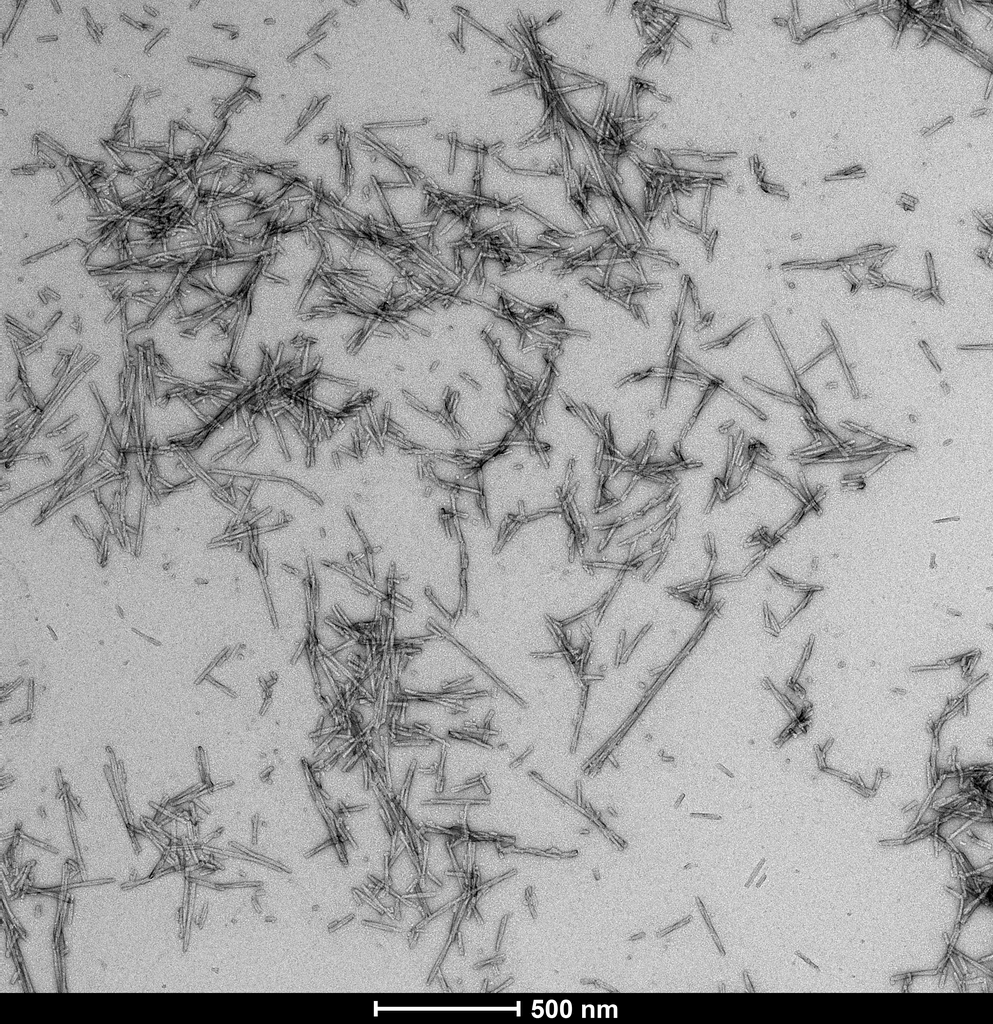
TEM of human alpha synuclein S87N fibrils (SPR-500). Negative stain transmission electron microscopy images acquired at 80 Kv on carbon coated 400 mesh copper grids using phosphotungstic acid and uranyl acetate stain. Scale bar = 500 nm. Method: Samples were prepared for examination in the transmission electron microscope using the ‘direct application method’ (Doane and Anderson 1987).
 Powered by Bioz
Reviews
There are no reviews yet.