
Advancing the Frontiers of Neurodegenerative Disease Research

Properties
| Storage Buffer | PBS pH 7.4 |
| Storage Temperature | -80ºC |
| Shipping Temperature | Dry Ice. Shipping note: Product will be shipped separately from other products purchased in the same order. |
| Purification | Ion-exchange Purified. Monomeric alpha synuclein was removed via filtration. |
| Cite This Product | Human Recombinant Alpha Synuclein Oligomers (StressMarq Biosciences | Victoria, BC CANADA | Catalog# SPR-466) |
| Certificate of Analysis | Certified >95% pure using SDS-PAGE analysis. Low endotoxin <5 EU/mL @ 2mg/mL. |
| Other Relevant Information | Monomer source is catalog# SPR-316. |
Biological Description
| Alternative Names | Alpha-synuclein, Alpha synuclein, Asyn, SNCA, NACP, PARK1, PARK4, PD1, Synuclein alpha, Non-A beta component of AD amyloid, Non-A4 component of amyloid precursor, Synuclein Alpha-140, SYN, Parkinson's disease familial 1 Protein Protein |
| Research Areas | Alzheimer's Disease, Neurodegeneration, Neuroscience, Parkinson's Disease, Synuclein, Tangles & Tau, Multiple System Atrophy |
| Cellular Localization | Cytoplasm, Membrane, Nucleus |
| Accession Number | NP_000336.1 |
| Gene ID | 6622 |
| Swiss Prot | P37840 |
| Scientific Background |
Alpha-synuclein, encoded by the SNCA gene (UniProt ID: P37840), is a neuronal protein involved in synaptic vesicle trafficking and neurotransmitter release. While normally functioning as a monomer, under pathological conditions alpha-synuclein misfolds and assembles into soluble oligomers—intermediates in the formation of insoluble fibrils found in Lewy bodies, the hallmark of Parkinson’s disease and related synucleinopathies. Alpha-synuclein oligomers are increasingly recognized as the most neurotoxic species in the aggregation pathway. These conformers disrupt cellular homeostasis by impairing membrane integrity, mitochondrial function, and proteasomal degradation. Their ability to propagate between cells in a prion-like manner contributes to the progressive spread of pathology across brain regions. Experimental models using alpha-synuclein oligomers have revealed their role in triggering neuroinflammation, synaptic dysfunction, and dopaminergic neuron loss. These insights have positioned oligomers as critical targets for therapeutic intervention and biomarker development. Due to their structural and functional relevance to human disease, alpha-synuclein oligomers are widely used in preclinical research to evaluate aggregation inhibitors, immunotherapies, and neuroprotective agents. Their application enhances the translational potential of drug discovery efforts aimed at halting or reversing neurodegenerative progression. |
| References |
1. “Genetics Home Reference: SNCA”. US National Library of Medicine. (2013). 2. Zhang L., et al. (2008) Brain Res. 1244: 40-52. 3. Alim M.A., et al. (2002) J Biol Chem. 277(3): 2112-2117. 4. Kokhan V.S., Afanasyeva M.A., Van'kin G. (2012) Behav. Brain. Res. 231(1): 226-230. 5. Spillantini M.G., et al. (1997) Nature. 388(6645): 839-840. 6. Mezey E., et al. (1998) Nat Med. 4(7): 755-757. 7. Conway, K.A. et al. (2001) Science 294:1346-1349. 8. Norris, E.H. et al. (2005) J Biol Chem. 280:21212-21219. 9. Mazulli, J.R. et al. (2006). J Neurosci. 26:10068-10078. 10. Mazulli, J.R. et al. (2007). J Biol Chem. 282:31621-31630. |
Product Images
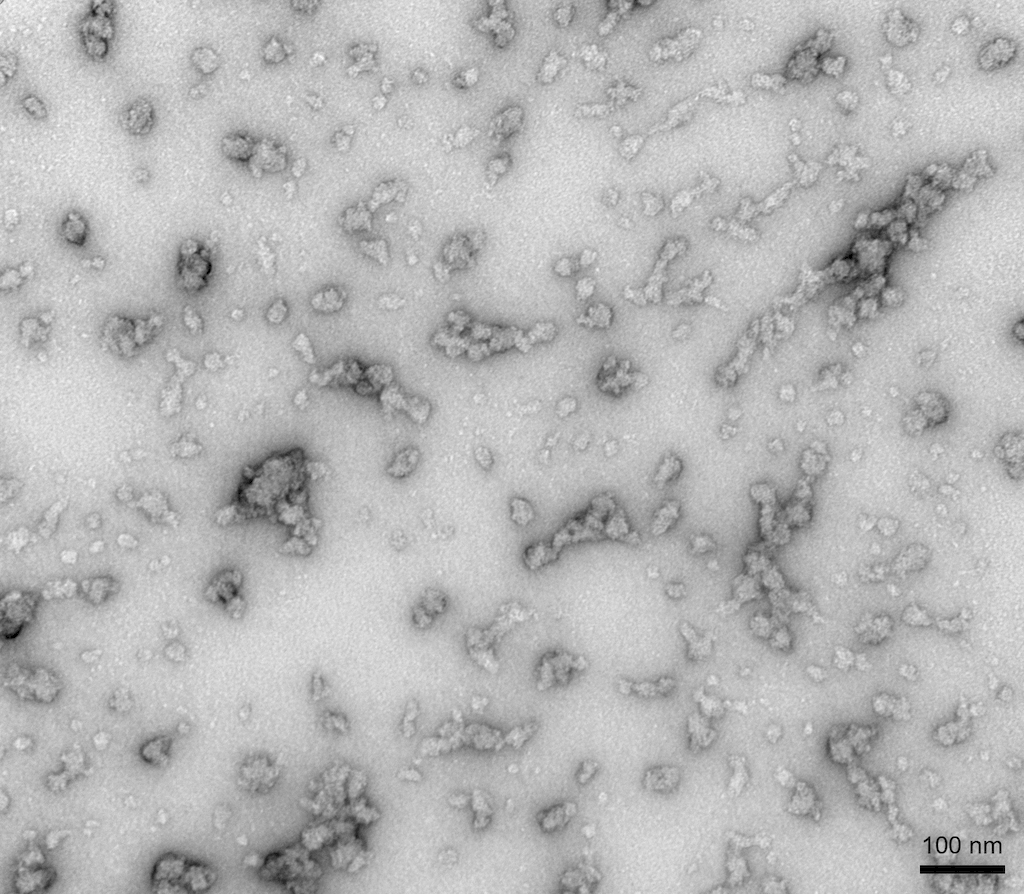
TEM of Human Recombinant Alpha Synuclein Oligomers (Dopamine HCL Stabilized) (SPR-466)
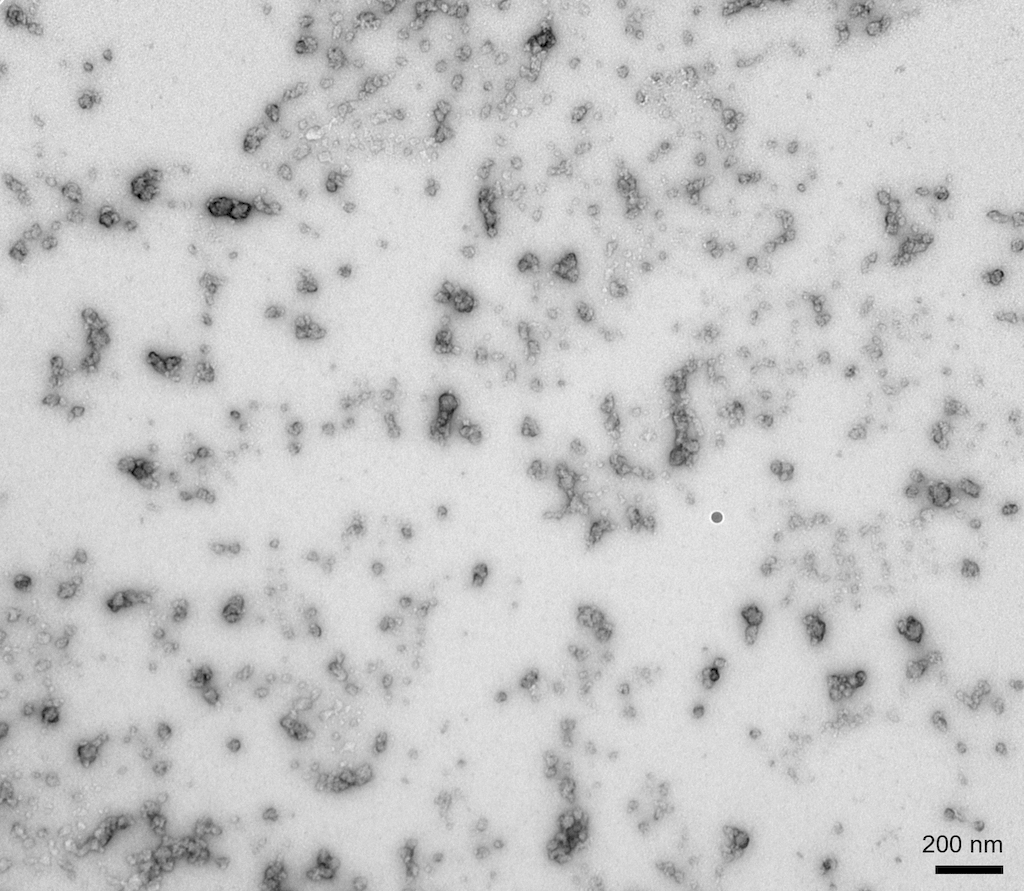
TEM of Human Recombinant Alpha Synuclein Oligomers (Dopamine HCL Stabilized) (SPR-466)
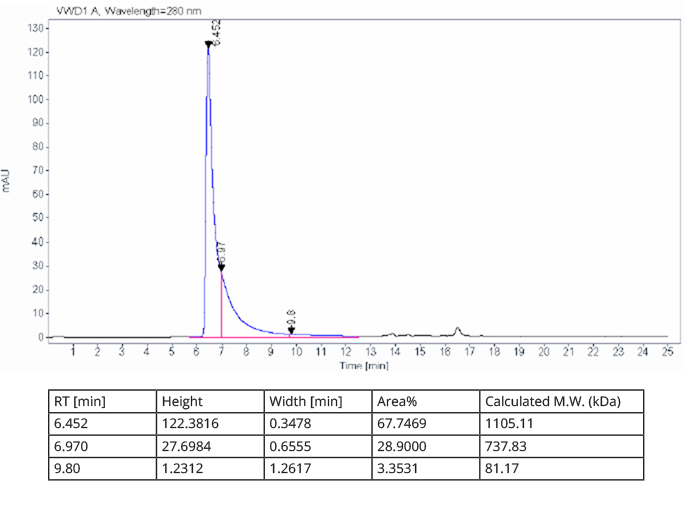
HPLC of Alpha Synuclein Protein Oligomers (SPR-466) ran down a size exclusion column. Wavelength: 280 nm.
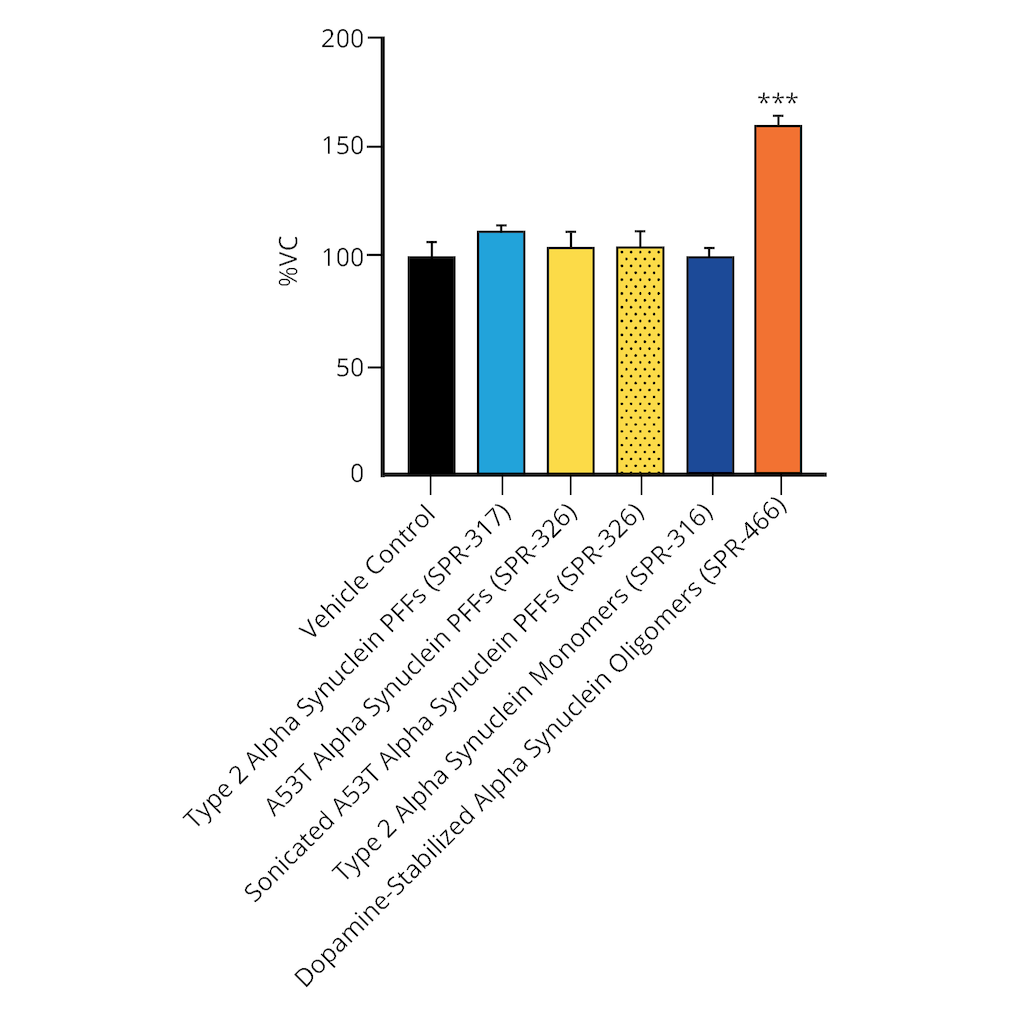
Evaluation of a-syn toxicity on primary mouse cortical neurons. Lactate dehydrogenase (LDH) is a soluble enzyme present in the cytosol that is released upon cell death. Toxicity was assessed with an LDH assay and displayed as % of vehicle control (VC). Data are presented as bar graphs and standard deviation. For statistical analysis One-way ANOVA followed by Bonferroni post-hoc test (vs VC) was used. *** p<0.001. Treatment with dopamine-stabilized oligomers was accompanied by a significant increase of LDH release.
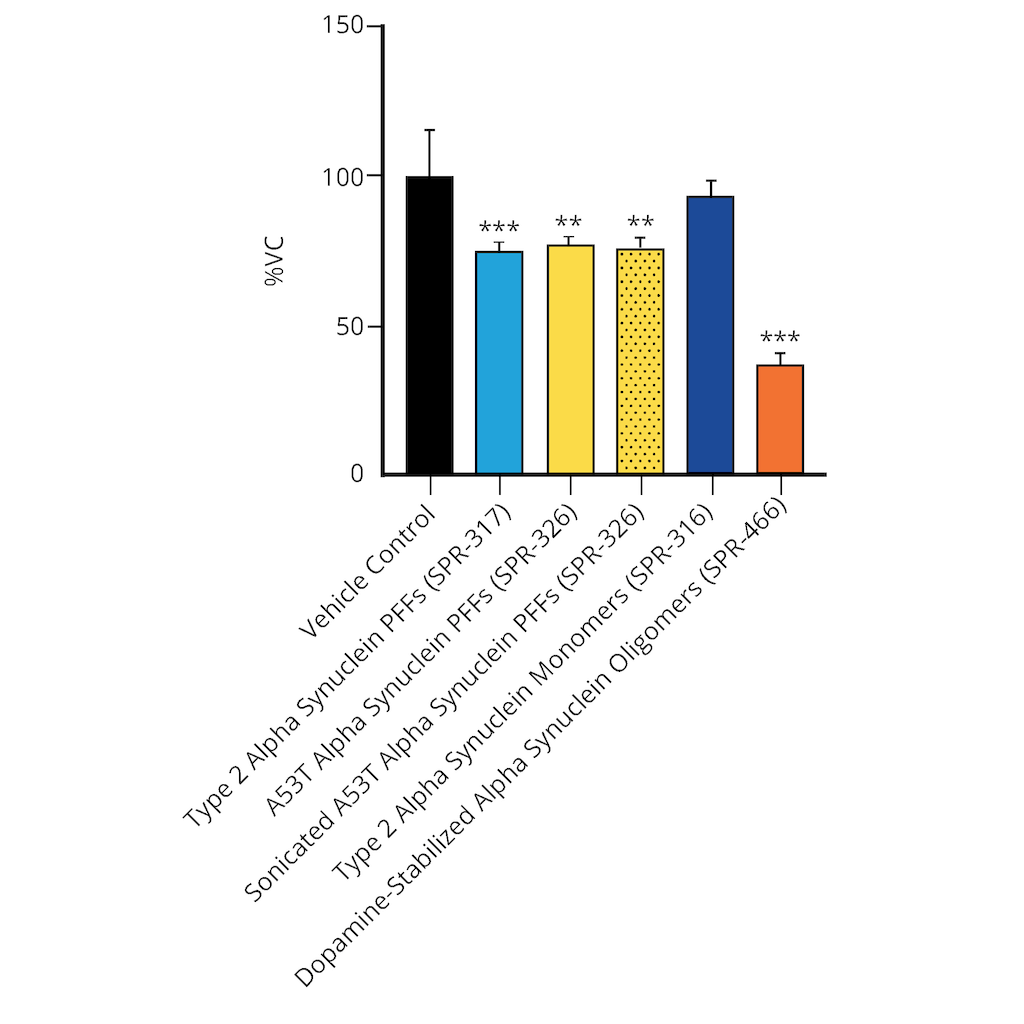
Evaluation of a-syn toxicity on primary mouse cortical neurons. Mitochondrial dehydrogenase activity, which reduces yellow MTT to dark blue formazan crystals, is a reaction that is catalyzed in living cells. Cell viability was assessed with an MTT assay and displayed as % of vehicle control (VC). Data are presented as bar graphs and standard deviation. For statistical analysis One-way ANOVA followed by Bonferroni post-hoc test (vs VC) was used. ** p<0.01, *** p<0.001. Both types of PFFs led to a decrease of viability of approximately 25% independent of sonication. Dopamine-stabilized oligomers led to the strongest decrease of viability.
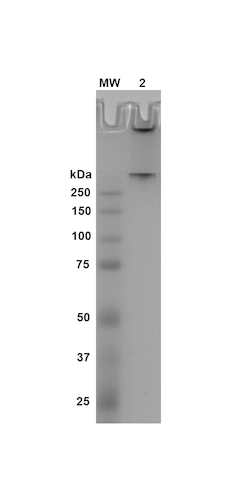
Coomassie gel stain of human dopamine-stabilized alpha synuclein oligomers (SPR-466). Load: 2 ug.
 Powered by Bioz
Reviews
There are no reviews yet.