
Advancing the Frontiers of Neurodegenerative Disease Research

Properties
| Storage Buffer | PB pH7.4, 10mM NaCl |
| Storage Temperature | -80ºC |
| Shipping Temperature | Dry Ice. Shipping note: Product will be shipped separately from other products purchased in the same order. |
| Purification | N/A |
| Cite This Product | Human Synthetic Amyloid Beta Peptide 1-40 + C-term Cysteine Monomers (StressMarq Biosciences | Victoria, BC CANADA | Catalog# SPR-533) |
| Certificate of Analysis | Certified > 95% pure using mass spec and HPLC |
Biological Description
| Alternative Names | Aβ 1-40-Cys, AB40-C, Amyloid beta 1-40-C, Beta-amyloid peptide (1-40) with cysteine, APP40-Cys, BAPP40-Cys, Modified Aβ40, Amyloid-beta (A4) precursor protein, Alzheimer disease amyloid protein, Cerebral vascular amyloid peptide (CVAP), Protease nexin-II (PN-II) |
| Research Areas | Alzheimer's Disease, Amyloid, Neurodegeneration, Neuroscience |
| Cellular Localization | Protein certified > 95% pure via SDS-PAGE and nanodrop analysis. Low endotoxin (< 5 EU/mL) at 2 & 5 mg/mL. |
| Gene ID | 351 |
| Swiss Prot | P05067 |
| Scientific Background |
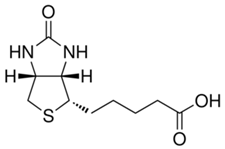
Amyloid Beta Peptide 1‑40 (Aβ40) is a predominant 40‑residue isoform generated from proteolytic cleavage of the amyloid precursor protein (APP) and is widely studied for its contribution to Alzheimer’s disease (AD) pathology. Although Aβ40 aggregates more slowly than Aβ42, it remains a key driver of early oligomerization, membrane interactions, and oxidative stress, all of which contribute to synaptic dysfunction and neurodegeneration. Aβ40 also participates in liquid–liquid phase separation and membrane‑assisted aggregation pathways, highlighting its mechanistic relevance to amyloid fibril formation and cellular toxicity. C‑terminal modifications of Aβ40 provide insight into structure–function relationships, as cysteine substitutions in terminal regions do not disrupt fibril architecture and can serve as strategic handles for biochemical labeling and structural interrogation. Studies using cysteine‑modified Aβ40 variants demonstrate that terminal residues remain solvent‑exposed and amenable to thiol‑reactive conjugation, supporting their utility in mechanistic aggregation studies. StressMarq’s Aβ40 + C‑terminal Cysteine Monomers exploit this property by incorporating a C‑terminal cysteine specifically designed for maleimide‑based conjugation. This enables researchers to attach fluorophores, biotin, spin labels, nanoparticles, or crosslinkers without perturbing the core amyloidogenic region, providing a powerful platform for tracking monomer behavior, quantifying aggregation kinetics, and visualizing early oligomerization events. The monomers appear as a single band at the expected molecular weight on SDS‑PAGE and Western blot, enabling reproducibility and consistency across assays. By pairing the biological relevance of Aβ40 with a strategically engineered cysteine residue, Aβ40‑Cys monomers significantly enhance experimental precision in AD research—supporting studies on aggregation mechanisms, membrane interactions, neurotoxicity, biomarker development, and therapeutic screening. |
| References |
1. Ghosh, P., Narang, K., & Iyer, P. K. (2024). Role of Amyloid Beta in Neurodegeneration and Therapeutic Strategies for Neuroprotection. Methods in molecular biology (Clifton, N.J.), 2761, 337–354. https://doi.org/10.1007/978-1-0716-3662-6_25 2. Huang, Y., et al. (2024). Regulation of cell distancing in peri-plaque glial nets by Plexin-B1 affects glial activation and amyloid compaction in Alzheimer’s disease. Nature Neuroscience, 27, 1489–1504. https://doi.org/10.1038/s41593-024-01664-w 3. Mirdha L. (2024). Aggregation Behavior of Amyloid Beta Peptide Depends Upon the Membrane Lipid Composition. The Journal of membrane biology, 257(3-4), 151–164. https://doi.org/10.1007/s00232-024-00314-3 |
Product Images
![<p>SDS-PAGE analysis of Human Synthetic Amyloid Beta 1-40 C-Term Cysteine Monomers on a 4-12% Bis-Tris gel (left). Western Blot of Human Synthetic Amyloid Beta Peptide 1-40 C-Term Cysteine Monomers using an anti-amyloid beta 1-16 monoclonal antibody [6E10] (Biolegend Cat # 803012) at 1:1000. Secondary antibody was a goat anti-mouse:HRP at 1:4000. Exposed 1 second (right).</p>](https://www.stressmarq.com/wp-content/uploads/SPR-533_Amyloid-Beta-Peptide-1-40-C-terminal-Cysteine-Monomers-Protein-SDS-Page-1.png)
SDS-PAGE analysis of Human Synthetic Amyloid Beta 1-40 C-Term Cysteine Monomers on a 4-12% Bis-Tris gel (left). Western Blot of Human Synthetic Amyloid Beta Peptide 1-40 C-Term Cysteine Monomers using an anti-amyloid beta 1-16 monoclonal antibody [6E10] (Biolegend Cat # 803012) at 1:1000. Secondary antibody was a goat anti-mouse:HRP at 1:4000. Exposed 1 second (right).
 Powered by Bioz
Reviews
There are no reviews yet.